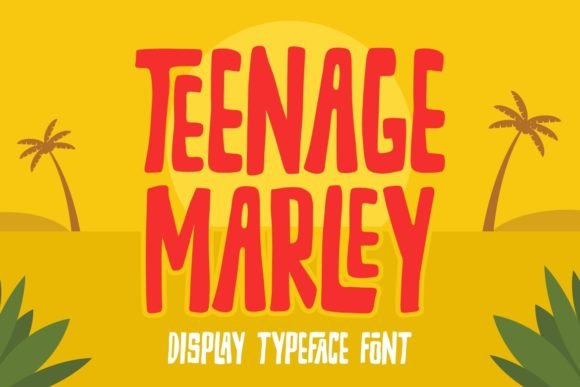
Teenage Marley: A Tropical Display Font
There is a distinct moment in design when a project stops feeling like work and starts feeling like an escape. You are searching for a typeface that doesn’t just communicate information but transports the viewer to a different headspace. This is where Teenage Marley enters the conversation. It is not merely a font; it is a stylistic vehicle for adventure, capturing the laid-back yet vibrant energy of a tiki paradise. For designers, marketers, and brand owners looking to inject warmth and whimsy into their visual identity, this display typeface offers a compelling blend of retro nostalgia and intricate artistry.
The Aesthetic Spirit of Polynesian Art
The immediate appeal of Teenage Marley lies in its thematic consistency. The letterforms are deeply inspired by traditional Polynesian art, moving beyond simple sans-serif or serif structures to incorporate detailed ornamentation. Each character feels hand-crafted, featuring intricate patterns that add significant depth and visual interest. This is not a minimalist font designed to disappear into the background. Instead, it demands attention, bringing to mind sunny beaches, thatched tiki huts, and the golden era of surf culture.
When you use Teenage Marley, you are tapping into a specific cultural aesthetic that resonates with feelings of relaxation and exploration. The typography mimics the organic flow of nature and the geometric precision of tribal tattoos, creating a unique visual tension that keeps the eye engaged. For brands in the hospitality, travel, or lifestyle sectors, this inherent vibe can do half the heavy lifting in establishing tone before a single word is read.
Ligatures as Design Tools
One standout feature of Teenage Marley is its extensive collection of ligatures. In many display fonts, ligatures are an afterthought, but here they are central to the user experience. These connected characters do more than save space; they enhance the aesthetics of the font and allow for more creative and visually appealing typographic compositions.
Consider the practical application of these ligatures. When designing a logo or a headline, standard spacing can sometimes feel rigid or disjointed. The ligatures in Teenage Marley smooth out these transitions, creating a fluid, continuous line that resembles custom hand-lettering. This capability allows designers to create unique wordmarks without needing advanced illustration skills. By toggling these alternate characters, you can customize the look of your text to fit specific layout constraints or artistic visions, ensuring that no two projects look exactly alike.
Versatile Applications Across Industries
While the tropical theme is strong, the utility of Teenage Marley extends far beyond beach bars. Its vibrant and whimsical touch makes it ideal for various design projects that require a break from corporate sterility. Here is how different professionals can leverage this typeface:
- Retro-Inspired Posters: Event promoters can use the font to evoke the mid-century modern surf posters of the 1960s. The intricate details pop against bold, flat colors, creating instant visual hierarchy.
- Branding Materials: Small businesses, particularly those in food and beverage, can use Teenage Marley for packaging. Imagine a craft soda label or a spicy sauce bottle where the font’s ornamentation mirrors the exotic flavors inside.
- Party Invitations: For weddings, birthdays, or corporate retreats with a casual theme, this font sets the expectation for fun. It signals to guests that the event will be relaxed and memorable.
- Digital Marketing: Social media graphics often suffer from banner blindness. Using a distinctive display font like Teenage Marley in carousel headers or story highlights can increase engagement by stopping the scroll with its unique texture.
Enhancing User Experience and Engagement
In digital environments, typography plays a crucial role in user experience (UX). While Teenage Marley is a display font and should not be used for body text due to its complexity, it excels in guiding the user’s eye. When used for headlines, call-to-action buttons, or section dividers, it creates emotional resonance. Users are more likely to engage with content that feels inviting and human-centric. The warm, organic shapes of the letters reduce the cognitive load associated with cold, industrial interfaces, making the browsing experience feel more personal and less transactional.
For educators and publishers, this font can be a powerful tool in materials aimed at younger audiences or subjects related to geography and culture. It adds a layer of storytelling to textbooks or educational apps, making learning about Pacific Island cultures or marine biology feel like an adventure rather than a chore.
Practical Considerations for Implementation
To get the most out of Teenage Marley, it is essential to understand its limitations and strengths. As a display font, it thrives at larger sizes. Using it for small print or long paragraphs will reduce legibility and diminish the impact of its intricate details. Always pair it with a clean, neutral sans-serif font for body copy. This contrast ensures that the decorative nature of Teenage Marley remains the focal point without overwhelming the reader.
Color choice is another critical factor. The font’s Polynesian-inspired patterns contain fine lines and internal spaces. High-contrast color combinations work best to ensure these details remain visible. Deep ocean blues, sunset oranges, and lush greens complement the tropical theme, while stark black and white can give it a more modern, graphic look. Experiment with background textures, such as subtle paper grains or watercolor washes, to enhance the organic feel of the typography.
Why Choose Teenage Marley?
In a saturated market of generic typefaces, Teenage Marley offers a distinct personality. It is not just about aesthetics; it is about communication efficiency. By conveying mood and context instantly, it reduces the need for excessive imagery or explanatory copy. For entrepreneurs and freelancers, this means faster design iterations and stronger brand recall. The font’s ability to evoke specific emotions—joy, relaxation, curiosity—makes it a strategic asset in any designer’s toolkit.
Whether you are crafting a logo for a new surf shop, designing invitations for a summer gala, or refreshing the packaging of an artisanal product, Teenage Marley provides the visual vocabulary needed to tell a compelling story. It bridges the gap between traditional artistry and modern design needs, offering a fresh perspective on how typography can influence perception. By embracing its adventurous spirit and leveraging its technical features like ligatures, you can create designs that are not only seen but felt.