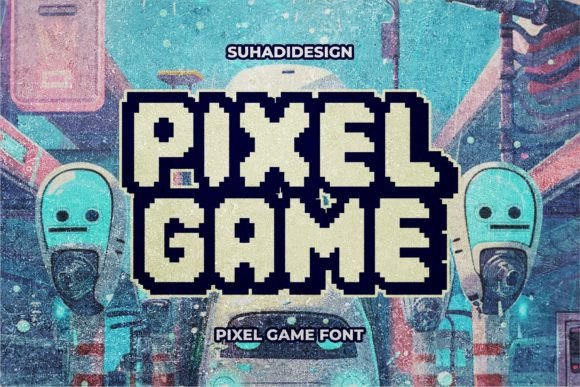
Pixel Game: Elevating Digital Design with Retro Charm and Modern Versatility
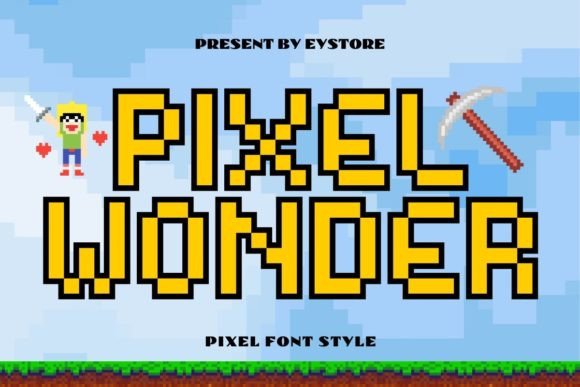
In the vast landscape of typography, few styles capture the imagination quite like pixel art fonts. They evoke a sense of nostalgia, recalling the golden age of 8-bit consoles and arcade cabinets, yet they possess a sharp, contemporary edge that fits seamlessly into modern digital aesthetics. Pixel Game stands out in this crowded field not just as a novelty, but as a robust design tool crafted for professionals who understand the power of visual storytelling. This font is designed to be a market favorite, blending cool, classy, and stylish elements into a cohesive typeface that appeals to a wide range of creative projects.
Whether you are a seasoned game developer, an illustrator working on children’s literature, or a digital artist exploring the NFT space, understanding how to leverage Pixel Game can significantly enhance the impact of your work. Its attractive structure and dot-game design theme make it more than just a font; it is a bridge between retro gaming culture and current design trends.
Bridging Nostalgia and Modern Game Development
For game developers, typography is often an afterthought, yet it plays a critical role in user immersion. Pixel Game was explicitly designed with this audience in mind. When creating titles for indie games, mobile apps, or browser-based experiences, the font’s clean lines and distinct pixel structure ensure readability without sacrificing style. Unlike older, jagged pixel fonts that can strain the eye on high-resolution screens, this typeface offers a refined look that feels both authentic and polished.
Consider the interface of a modern retro-style platformer or a puzzle game. The headers, scoreboards, and menu options need to communicate clearly while maintaining the thematic integrity of the game world. Pixel Game provides that balance. It allows developers to create a cohesive visual identity that resonates with players who appreciate the aesthetic of classic dot games but expect the smooth performance of contemporary software. Its versatility means it works equally well for action-packed arcade clones and slower-paced narrative adventures.
Revitalizing Children’s Literature and Educational Materials
Beyond the screen, Pixel Game finds a surprising and effective home in print media, particularly in children’s books and educational resources. The font’s playful yet structured appearance captures the attention of young readers. For authors and illustrators creating picture books, comics, or early reader materials, the font adds a layer of fun that traditional serif or sans-serif typefaces often lack.
Imagine a children’s book about technology, coding, or video games. Using Pixel Game for chapter titles or speech bubbles in comic strips creates an immediate connection with kids who are growing up in a digital-first world. It feels familiar and inviting. Furthermore, for educational tools aimed at teaching basic logic or computer science concepts to babies and toddlers through apps or interactive books, the font’s clarity helps in distinguishing letters and numbers, aiding in early literacy development while keeping the experience engaging.
The NFT and Digital Art Boom
The rise of Non-Fungible Tokens (NFTs) has created a new marketplace for digital art, where presentation is everything. Collectors and creators in the NFT space often lean towards aesthetics that highlight digital origins, making pixel art a dominant style. Pixel Game is an excellent choice for branding NFT collections, especially those inspired by gaming culture, cyberpunk themes, or retro futurism.
When launching a new NFT project, the typography used in promotional materials, roadmaps, and community updates sets the tone. A classy and contemporary font like Pixel Game signals professionalism while adhering to the crypto-art community’s love for pixelated visuals. It helps projects stand out in a saturated market by offering a look that is both attractive and aligned with the underlying technology’s digital nature. Designers can use it to create striking logos, banner images, and metadata displays that resonate with potential buyers.
Cartoons, Comics, and Animated Media
Animation studios and independent cartoonists often struggle to find fonts that match the energetic and exaggerated style of their characters. Pixel Game offers a solution for titles, credits, and on-screen text in cartoons and animated series. Its stylish and attractive qualities make it suitable for everything from Saturday morning-style cartoons to web-series aimed at adult audiences with a taste for retro humor.
In comics, particularly those published digitally or with a webcomic format, the font can be used for sound effects, title cards, or even dialogue in specific stylistic choices. The "dot game" theme aligns perfectly with comics that explore themes of virtual reality, gaming, or digital life. By integrating Pixel Game, creators can maintain visual consistency across different media formats, ensuring that their brand identity remains strong whether the content is viewed on a smartphone, a tablet, or a large monitor.
Practical Considerations for Designers
While Pixel Game is versatile, using it effectively requires an understanding of its strengths and limitations. As a display font, it shines in headlines, logos, and short bursts of text. However, for long paragraphs of body text, especially in print, it may reduce readability due to its stylized nature. Designers should pair it with a clean, simple sans-serif font for body copy to create a balanced hierarchy.
Another consideration is scale. Pixel fonts are designed with a grid in mind. To maintain the crispness of the edges and avoid anti-aliasing blur, it is often best to use the font at sizes that are multiples of its base unit. This ensures that the pixels remain square and distinct, preserving the intended "classy" and "contemporary" look. Testing the font across different backgrounds is also crucial; high-contrast combinations usually yield the best results, enhancing the font’s attractive and bold characteristics.
Professionals should also consider the emotional tone of their project. While Pixel Game is playful, its clean design prevents it from appearing childish or amateurish. This makes it suitable for professional contexts where a touch of whimsy is desired without compromising credibility. Whether designing a corporate presentation for a tech startup, a marketing campaign for a new app, or packaging for a toy line, the font’s adaptability allows it to fit various brand voices.
Why Choose Pixel Game for Your Next Project?
In a design world that often chases minimalism, Pixel Game offers a refreshing return to structured, geometric beauty. It is not just about nostalgia; it is about leveraging a recognizable visual language to communicate quickly and effectively. For game developers, it provides authenticity. For children’s book authors, it offers engagement. For NFT artists, it delivers relevance. And for cartoonists, it brings energy.
By choosing Pixel Game, you are selecting a tool that has been refined for professional use. It avoids the pitfalls of poorly constructed pixel fonts, such as inconsistent spacing or blurry rendering, ensuring that your final product looks polished and intentional. Its ability to span industries—from entertainment to education, from digital art to print media—makes it a valuable addition to any designer’s toolkit. Ultimately, it is about creating work that is not only functional but also visually compelling, connecting with audiences through a shared appreciation for the unique charm of pixel aesthetics.