Braille: Evaluating the Impact of Tactile Literacy
In an era dominated by visual digital interfaces, Braille remains a cornerstone of independence for the blind and visually impaired community. It is not merely a code or a substitute for print; it is a distinct writing system that enables direct access to information through touch. For individuals evaluating accessibility tools, educational resources, or inclusive design strategies, understanding the nuances of Braille is essential. This article explores the practical applications, benefits, and limitations of this tactile system to help readers determine its relevance to their specific goals.
Understanding the Mechanics of Braille
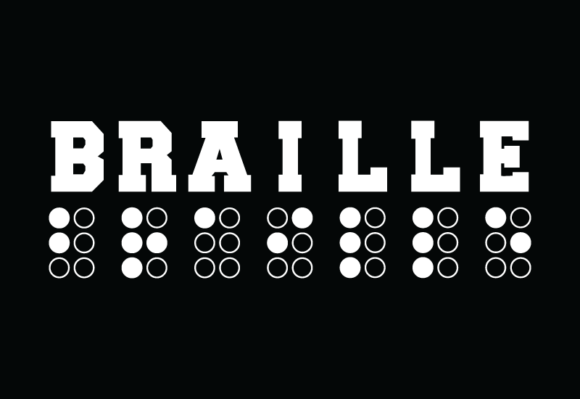
At its core, Braille is a tactile writing system based on a grid of six dots arranged in two columns of three. By raising specific combinations of these dots, users can represent letters, numbers, punctuation, and even musical notation or mathematical symbols. Unlike audio-based alternatives, Braille provides a spatial representation of language, allowing users to perceive spelling, grammar, and layout directly.
The system’s universality is one of its strongest assets. While codes vary slightly between languages, the fundamental logic remains consistent, facilitating cross-cultural literacy. For those researching accessibility solutions, it is crucial to recognize that Braille is not a language itself but a medium for encoding existing languages. This distinction matters when considering implementation, as proficiency requires learning both the tactile code and the underlying linguistic structure.
Why Consider Braille?
Individuals and organizations often explore Braille for several key reasons, primarily centered around literacy and autonomy. Here are the primary drivers for adopting this system:
- Literacy Development: For children who are blind, learning Braille is comparable to sighted children learning print. It fosters strong reading and writing skills, which are critical for academic success.
- Independence: Braille allows users to label household items, read medication instructions, and navigate public spaces without relying on assistance or electronic devices.
- Professional Competency: In many professional fields, accurate spelling and formatting are non-negotiable. Braille users can edit documents and verify data with a precision that screen readers may not always provide.
- Cognitive Engagement: Reading tactilely engages different neural pathways than listening. It supports better retention of complex information, such as technical manuals or legal contracts.
Benefits and Tradeoffs
When evaluating Braille against other accessibility tools, it is important to weigh its unique advantages against its inherent challenges. A balanced view helps in setting realistic expectations.
The Advantages
The most significant benefit of Braille is true literacy. Screen readers convert text to speech, which is linear and transient. Braille, however, is static and spatial. Users can scan back and forth, re-read sentences instantly, and understand the structure of a page. This makes it indispensable for tasks requiring detailed analysis, such as coding, proofreading, or studying mathematics.
Furthermore, Braille promotes privacy. Listening to audio output in a public space can expose sensitive information, whereas reading Braille is a silent, personal activity. This discretion is valuable in professional and personal settings alike.
The Challenges
Despite its benefits, Braille has tradeoffs. The learning curve is steep. Achieving fluency takes years of practice, similar to learning a new spoken language. Additionally, the physical production of Braille materials can be costly and bulky. A single volume of printed text may expand into multiple large volumes when transcribed into Braille.
There is also the issue of availability. While digital accessibility has improved, not all content is available in Braille formats. Users often need specialized hardware, such as refreshable Braille displays, which can be expensive investments. These factors mean that Braille is not always the most immediate or convenient solution for every scenario.
When Braille Is a Strong Fit
Braille is particularly effective in situations where precision, privacy, and deep comprehension are required. It is a strong fit for:
- Education: Students who are blind benefit immensely from Braille for mastering spelling, grammar, and complex subjects like science and math.
- Employment: Professionals in fields such as law, programming, and editing rely on Braille for accurate document manipulation and code verification.
- Daily Living: Labeling kitchen spices, identifying clothing colors, and reading elevator buttons are practical daily applications that enhance safety and confidence.
For parents of visually impaired children, early introduction to Braille is widely recommended by experts. It lays the foundation for lifelong literacy and prevents the "illiteracy trap" that can occur when children rely solely on audio.
When Alternatives May Be Preferable
While Braille is powerful, it is not the only tool in the accessibility toolkit. There are scenarios where other methods may be more practical or efficient:
- Casual Consumption: For reading news articles, novels for pleasure, or browsing social media, screen readers and audio books are often faster and less physically taxing.
- Late-Onset Vision Loss: Adults who lose their sight later in life may find learning Braille challenging due to reduced tactile sensitivity or cognitive load. In these cases, magnification software or voice-assisted technology might offer a quicker path to independence.
- Cost-Constrained Environments: If budget is a primary constraint, free or low-cost screen reading software may provide broader immediate access to digital content than investing in Braille hardware and training.
Practical Decision-Making Insights
Choosing whether to invest time and resources into Braille depends on individual needs and long-term goals. Here are some considerations to guide your decision:
Assess the User’s Age and Neuroplasticity: Children generally acquire Braille more easily than adults. For younger users, Braille should be a priority. For older adults, a hybrid approach using both audio and tactile methods may be more sustainable.
Evaluate the Content Type: If the primary need is accessing structured data, code, or dense text, Braille is superior. If the goal is casual information consumption, audio solutions may suffice.
Consider Hybrid Approaches: Most proficient Braille users also utilize screen readers. The two technologies complement each other. A refreshable Braille display connected to a computer allows users to switch between tactile and audio output depending on the task.
Check Resource Availability: Before committing, ensure there is access to qualified instructors and materials. Organizations like the National Federation of the Blind or local agencies for the blind can provide assessments and resources.
Conclusion
Braille is more than a historical artifact; it is a vital, living tool that empowers the blind and visually impaired to engage with the world on their own terms. While it requires significant investment in learning and resources, the payoff in terms of literacy, independence, and professional capability is unmatched. For those evaluating accessibility options, Braille should not be viewed as an either/or choice but as a critical component of a comprehensive accessibility strategy. By understanding its strengths and limitations, individuals and organizations can make informed decisions that truly support inclusion and empowerment.